The Bright Side of Imminent Destruction?
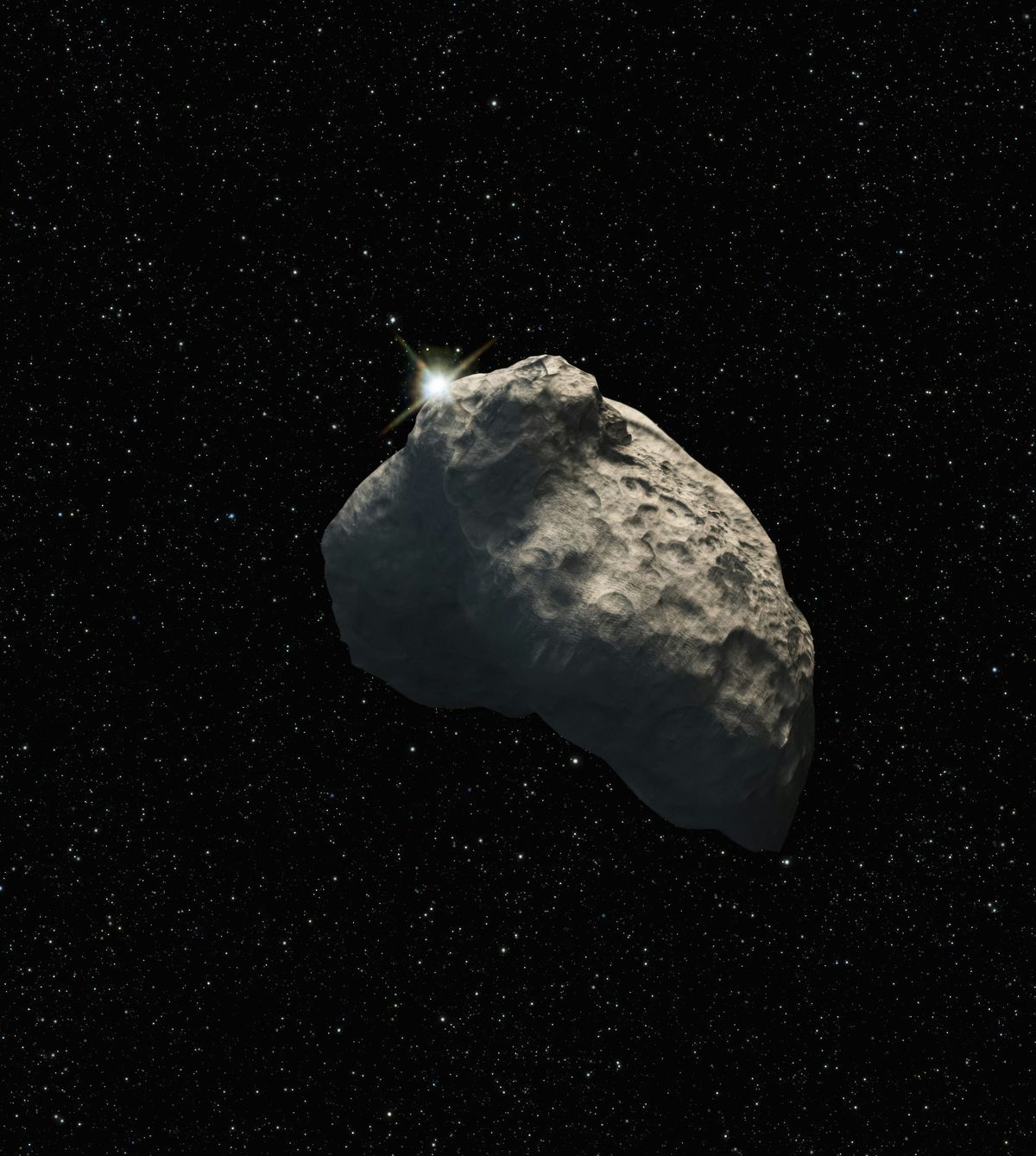
It does inspire a certain togetherness.
Anyone who knows me will tell you that I am relentlessly hopeful.
I have a deep faith in the agency and ingenuity of human beings. Especially when we, the people of Earth, are pulling in the same direction, we can do extraordinary things. Remember 1998, when an asteroid the size of Texas was on course to destroy the planet? And the whole world rallied around a small team of roughnecks who landed on the asteroid, drilled an 800-foot hole for a nuclear bomb, and detonated it just in time to avert a global catastrophe? I mean, yes, that was a Bruce Willis movie, but the point is:
In the face of imminent global demise, we can at least imagine setting aside our tribal differences and working together.
It is for this reason that I was not actually frightened by (former Anthropic employee) Jacob Coxon’s viral warning on September 8 that AI could kill us all. I was heartened, frankly, that everyone—literally everyone I know—was finally talking about it.
Like most people who work in, or adjacent to, the tech sector, I’ve been frightened by the existential risks posed by AI for years now. I never believed it was marketing hype: it’s not just a tiny handful of CEOs spinning tales of potential doom; it’s also their current employees and ex-employees, plus numerous academics and independent watchdogs. Also, while I wouldn’t pretend to be able to explain the underlying technology in any level of detail, our current situation is pretty easy to grasp: we have developed a form of intelligence that even AI experts do not fully understand and cannot guarantee they will be able to control. Whether you’re in Bill Gates’ camp—worried about rogue humans using AI for cyberattacks or bioterrorism—or whether you find Roman Yampolskiy’s loss of control scenarios plausible (all of the above, for me!), it’s seriously unnerving stuff.
In this column and in my AI-related conversations with many of you, I’ve focused on more pedestrian issues—job dislocation, mental health concerns, educational challenges and the original sin of massive IP theft—in part because these downsides were no longer theoretical; in my world at least, they had quickly become terribly real. But truth be told: I also felt like a total crackpot pondering the imminent end of humanity while most people I know were just getting on with their lives. So again: I feel genuine relief that September 2026 popped practically all of us—with a few notable exceptions*—firmly onto the same page.
So, what now? Well, first things first: we vote as if our votes had the power to deflect incoming asteroids.** The midterms are in 31 days.
In my case, I’ll be supporting candidates who:
1. Have at least some first-hand experience with AI tools. I’d guess that most people who dismiss AI as hype*** or pooh-pooh the associated risks…simply have not used the latest tools. I’d also guess that many AI skeptics are somewhat insulated (via retirement or independent wealth?) from the ever-changing demands of competing for jobs or customers. In a free market, outside of small artisanal endeavors, you just don’t last long without adopting the latest technologies. It’s vitally important that our elected officials: a) understand this and therefore b) avoid simplistic “AI is good/AI is bad” binaries.
2. Are running on—and willing to fight for—substantive policy ideas that will allow us (all of us) to reap the many benefits of AI, mitigate the numerous known risks, and eliminate (yes eliminate!) the existential risks. Some of the ideas I’d like to see:
- Strict age-gating of AI companions (minors should have many, many years of friction-filled human interactions before they have the opportunity to form “relationships” with bots);
- Jail time for CEOs who release unsafe products. (If you are swimming in billions, financial penalties don’t seem to do much; if we’ve learned anything from the last two decades of social media harms, it’s that even large fines are viewed by at least some company leaders as the cost of doing business);
- New, paid-for social safety nets (e.g., extended unemployment insurance, universal healthcare, mental health supports) to cushion the financial and psychological shocks of mass job dislocation;
- Rigorous independent monitoring and regulation of frontier models, both proprietary and open-source—with zero tolerance for any “But China!”-style objections.
Now that we’re all aware of the asteroid, it’s crystal clear, right? It makes no sense to race anyone toward Armageddon. Since the U.S. is home to many of the frontier firms, we can and should lead on AI safety. It is in the interests of China—and every country on Earth—to follow suit. And I’d like to believe they will: no one wants a best-case scenario wherein their children and grandchildren are being kept around by a superior intelligence…as pets.
Image credit: Photo by NASA Hubble Space Telescope on Unsplash
Notes:
*Unfortunately one of these notable exceptions is the President of the United States. Another is Jensen Huang, in whom I could not be more disappointed if I tried. Until this and then this, I admired Huang! I thought of him as one of the industry’s few grown-up CEOs! To hear a man who clearly understands how competitive markets work speak like he has no idea how competitive markets work (Who needs regulation? Frontier companies should police themselves!) was the single most crazy-making moment of September for me. You?
**This is a real thing and national treasure Neil deGrasse Tyson is all over it.
***I’m not saying the AI investment bubble isn’t going to pop. It may well—astonishing amounts of money have been sunk into AI, and as in every gold rush, many pans will come up empty. But a financial correction—to be clinical about what would likely be a very painful crash—is still different from the technology itself failing to take hold. It has already taken hold, and it’s not going anywhere.